

If you have tried everything… This is why it isn’t working…
- Skin problems aren't random- they follow patterns
- Treating symptoms VS understanding signals
- Modern skin types explain what- not why
- The missing layer: internal & constitutional patterns
- why skin problems keep coming back
- Sensitivity, overcorrection & skin burnout
- why one- piece advice rarely works long term
- how to start reading your skin differently (without fixing anything yet)
- your skin is communicating- lISTEN!
If this article found you, chances are you’re already doing a lot more for your skin than you get credit for.
– You’ve tried being consistent.
– You’ve followed routines.
– You’ve switched products thoughtfully instead of impulsively.
– You may have even simplified everything because you were tired of trying too hard.
And yet, here you are again.
The same breakout shows up. The same dark patch deepens. Your skin calms down for a bit… then suddenly doesn’t. When this keeps happening, most people quietly assume one of two things: Either their skin is “problematic,” or they’re somehow doing skincare wrong. But here’s the part no one really explains.
The reason why skin problems keep coming back is usually not because you’re careless, inconsistent, or missing the right product. In fact, many people experience recurring issues because they’re following advice exactly as it’s given.
Skincare today is very good at telling you what to fix. Oiliness. Dryness. Acne. Pigmentation. Sensitivity. What it’s not very good at explaining is why skin problems keep coming back even after those issues seem “handled.”
You clear acne, and it returns in the same spots. You fade pigmentation, and it slowly creeps back.
You repair your barrier, and sensitivity flares up again months later. That pattern isn’t bad luck. And it’s definitely not random.
Another reason why skin problems keep coming back is that most advice treats skin symptoms like isolated events. Something shows up, you treat it, and you move on. But skin doesn’t work in one-time episodes. It reflects ongoing patterns — internal, environmental, and behavioral — whether we pay attention to them or not.
This is where frustration builds. People start adding more steps, rotating products faster, or chasing the next ingredient that “worked for someone else.” Ironically, that often makes things worse, not better. If you’ve ever wondered why skin problems keep coming back even though your routine looks solid on paper, it’s because skin isn’t just responding to what you apply. It’s responding to what’s happening beneath the surface, around you, and over time.
Temporary improvement is easy to achieve. Lasting balance is not — unless the pattern behind the symptom is understood. This doesn’t mean skincare is useless. It means skincare alone can’t answer everything.
Once you stop seeing your skin as something that’s misbehaving — and start seeing it as something that’s communicating — a lot of confusion finally begins to make sense.
And that’s where this conversation really starts.
Skin problems aren’t random- they follow patterns

One of the most misunderstood aspects of skin is how predictable it actually is.
- The same breakout returns to the same area.
- Pigmentation deepens in familiar patches.
- Sensitivity flares during similar phases of stress, weather, or hormonal shifts.
Yet most people are taught to treat every flare-up as a separate incident. This is a major reason why skin problems keep coming back. Skin doesn’t operate in isolated moments. It responds in patterns — and those patterns repeat until something deeper changes.
Instead of asking, “Why is this happening again?” it helps to notice how it’s happening again.
For example:
- Acne recurring in the same zones
- Congestion that improves, then slowly returns
- Pigmentation that fades but never fully resolves
- Puffiness or dullness that cycles rather than disappears
These are not random failures. They’re consistent responses.
Another reason why skin problems keep coming back is that skincare culture encourages short-term thinking. We focus on visible results, not recurring signals. If something looks better, we move on — even though the skin hasn’t actually reset internally.
Skin has memory. It carries forward the effects of:
- stress and sleep disruption
- hormonal fluctuations
- digestion and hydration patterns
- climate and seasonal shifts
- repeated overcorrection or product hopping
When these inputs stay the same, skin problems keep coming back, even if the surface appears calm for a while.
Location matters too. Recurring issues often appear in specific areas of the face or body, which is a clue most people overlook. The skin chooses the same outlet repeatedly because the underlying imbalance hasn’t changed — only its intensity has.
This is why skin problems keep coming back even when people use the right products consistently. Products can soothe, suppress, or temporarily correct what’s visible, but they don’t alter the pattern driving it.
The important shift here isn’t about fixing anything yet. It’s about observation.
When you stop seeing your skin as a series of unrelated emergencies and start seeing it as a system with habits, something important clicks. The repetition begins to make sense.
And once the pattern becomes visible, skin problems keep coming back stops feeling like a mystery — and starts feeling like information you can actually work with.
Treating symptoms VS understanding signals

Most skincare advice is built around a simple idea: see a problem and treat the problem. A pimple appears, you apply a spot treatment. Pigmentation shows up, you add a brightening ingredient. Skin feels irritated, you switch to something gentler. On the surface, this approach makes sense, and in many cases, it does help temporarily.
The issue begins when symptom-based care becomes the only way skin is addressed. This is one of the most common reasons why skin problems keep coming back. Symptoms are the skin’s output, not its origin. When skincare focuses only on correcting what’s visible, it often quiets the signal without understanding why the signal appeared in the first place.
This is why many people experience the same cycle again and again. The skin improves after a new routine, everything feels “under control,” and then the issue slowly returns, often in the same form or location. When this happens, it’s easy to assume the product stopped working. In reality, the skin was never asking for a permanent fix; it was asking to be understood.
Another reason why skin problems keep coming back is that symptoms are reactive by nature. Skin responds continuously to changes in stress, hormones, weather, sleep, digestion, and daily habits. When these deeper inputs remain unchanged, the skin simply finds another way to express imbalance, even if the surface looks calm for a while.
Symptoms are better understood as messages rather than mistakes. Acne can point to congestion, inflammation, or internal heat. Sensitivity often reflects overcorrection, dryness, or nervous system stress. Pigmentation may appear when the skin is repeatedly irritated or inflamed over time. When these signals are muted without being decoded, skin problems keep coming back, not because the skin is resistant, but because the message hasn’t been received.
This is also why many people feel stuck between doing too much and doing nothing at all. Adding more products doesn’t help, but stopping everything doesn’t either. The missing piece is interpretation. Understanding signals doesn’t mean abandoning skincare; it means changing how skincare is used, not as a reaction, but as part of a larger system.
Until that shift happens, skin problems keep coming back, no matter how carefully routines are followed. Once symptoms are seen as communication instead of inconvenience, the relationship with skin changes. Instead of chasing quick fixes, attention moves toward patterns that explain what the skin actually needs.
And that’s where real clarity begins.
Modern skin types explain what– not why
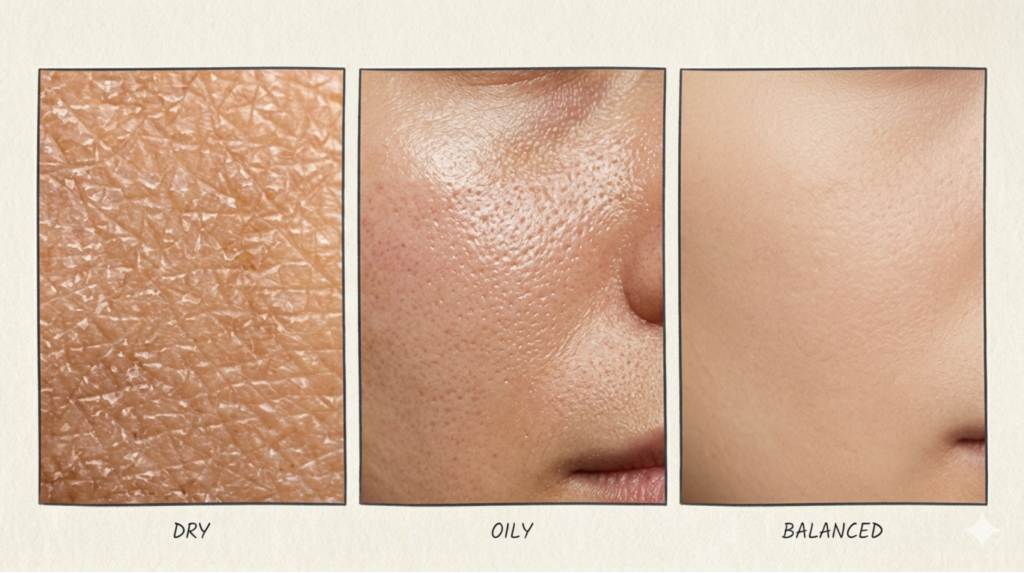
Modern skincare does a good job at categorizing what we see on the surface. Dry, oily, combination, sensitive, dehydrated — these labels are familiar for a reason. They help describe how the skin behaves day to day, how it reacts to products, and how it feels under certain conditions.
But they don’t explain everything.
This is one of the quieter reasons why skin problems keep coming back even when someone understands their skin type well. Knowing what your skin looks or feels like doesn’t always explain why it keeps reacting in the same way.
For example, someone may identify as oily, yet experience tightness and flaking. Another person may consider their skin sensitive, but only during specific periods of stress or seasonal change. Someone else may switch between dry and breakout-prone without any obvious trigger. In these cases, the skin type label is accurate — but incomplete.
Modern categories describe behavior, not cause. They tell you how the skin is responding in the moment, not what’s driving that response beneath the surface. This is why skin problems keep coming back even after routines are tailored perfectly to a specific skin type.
Another limitation of surface-level classification is that skin behavior changes faster than the patterns influencing it. Hydration levels fluctuate. Oil production shifts. Sensitivity comes and goes. But the internal tendencies shaping those changes often remain the same. When only the surface behavior is addressed, the response may improve temporarily, yet skin problems keep coming back once conditions shift again.
This is also why people feel confused when their skin type seems to “change.” It’s not that the skin is unpredictable. It’s that behavior is being observed without context. The skin is adapting continuously to its internal and external environment, and surface labels can only capture a snapshot of that adaptation.
Understanding this gap is important, because it explains why skin problems keep coming back even for people who are knowledgeable, consistent, and careful with their skincare choices. The issue isn’t misidentification — it’s over-reliance on a single layer of information.
Skin behavior tells you what’s happening on the surface. It doesn’t explain why the same issues repeat, why they return during certain phases of life, or why improvement doesn’t last as long as expected. For that, another layer of understanding is needed — one that looks beyond appearance and into patterns.
And this is where surface care alone stops being enough.
The missing layer: internal & constitutional patterns
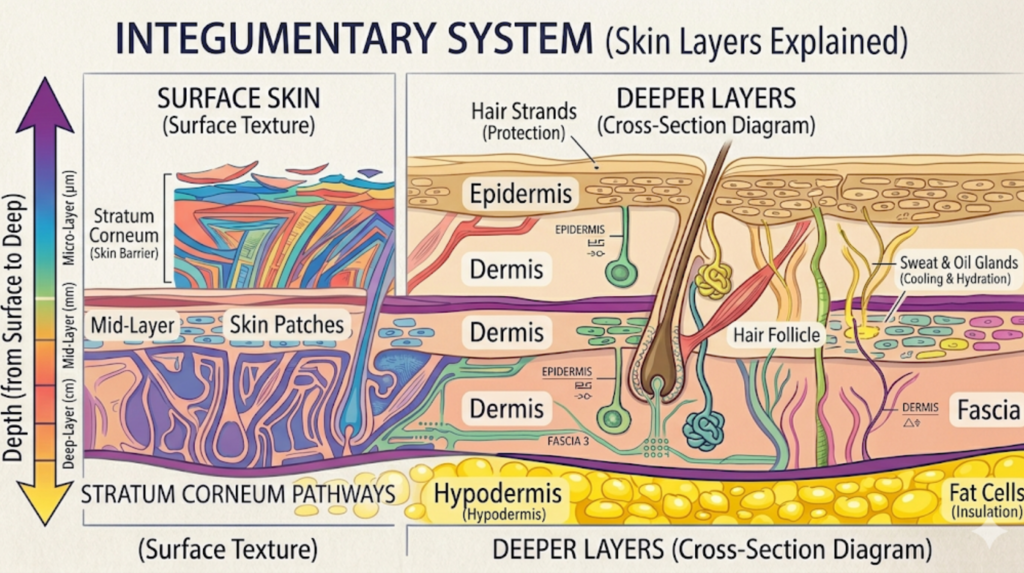
When skin issues repeat in similar ways over time, it often means the explanation goes deeper than surface care. Products, routines, and skin-type adjustments can influence how the skin behaves temporarily, but they do not always address the underlying tendencies shaping those reactions.
This deeper layer is one of the biggest reasons why skin problems keep coming back even when someone is doing everything correctly on the outside. The skin is not an isolated organ. It reflects what is happening internally — through circulation, hormones, digestion, stress responses, and the body’s natural regulatory systems. When these internal rhythms shift, the skin becomes one of the places where those changes appear most visibly.
This doesn’t mean every skin concern is caused by something dramatic or unhealthy. Often it simply means the body has certain tendencies that influence how the skin responds to daily life. Some people naturally run warmer and more reactive, while others experience slower circulation or greater dryness. Over time, those tendencies shape how the skin behaves. When these internal patterns remain the same, skin problems keep coming back in familiar ways. Acne may appear during periods of stress or hormonal fluctuation. Pigmentation can deepen when the skin repeatedly experiences inflammation or irritation. Sensitivity may flare when the body is already under pressure from other factors.
It can help to think of skin behavior as the visible layer of a much larger system. Surface care may calm the skin for a while, but if the internal pattern stays active, the skin eventually returns to the same response. This is why skin problems keep coming back even when routines are simplified, ingredients are gentle, and products are carefully chosen.
Several internal influences commonly shape how skin behaves:
- natural constitutional tendencies that affect oil production, circulation, or dryness
- stress and nervous system activity
- hormonal cycles and fluctuations
- digestion, hydration, and metabolic balance
- environmental conditions such as climate or seasonal change
These influences do not act alone. They interact with each other over time, gradually shaping the way the skin responds. When the same internal conditions repeat, skin problems keep coming back in patterns that begin to feel frustratingly predictable. Understanding this layer does not mean abandoning skincare or replacing it with complicated solutions. Instead, it shifts the perspective. Skin concerns stop being isolated cosmetic issues and begin to look like signals connected to the body’s overall balance.
Once this perspective becomes clear, it also becomes easier to see why skin problems keep coming back even for people who are disciplined about their routines. The surface has been cared for, but the pattern beneath it has not yet been understood. And that understanding is what eventually changes the conversation from reacting to symptoms to recognizing what the skin has been communicating all along.
why skin problems keep coming back
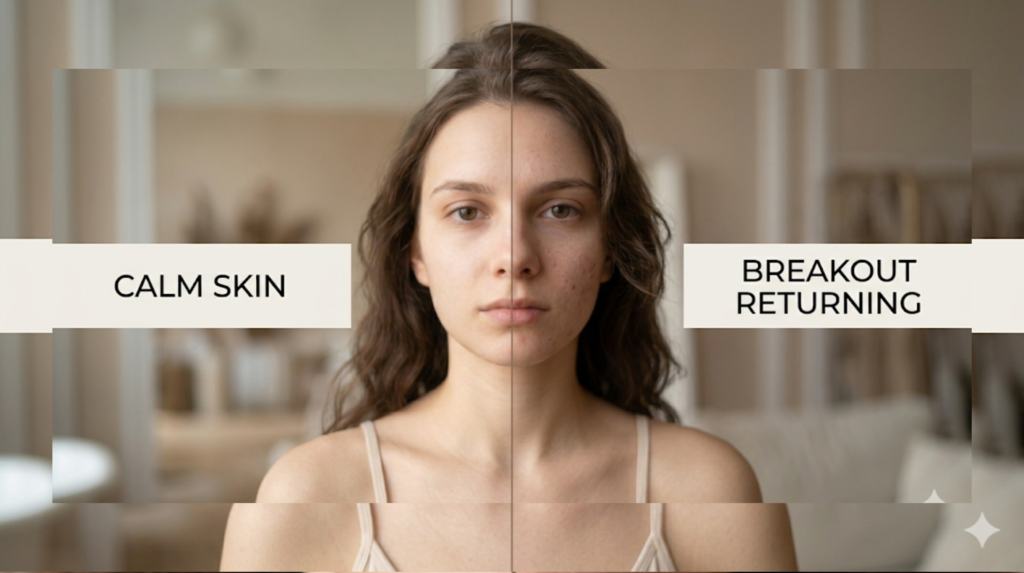
When skin issues repeat in similar ways over time, it often means the explanation goes deeper than surface care. Products, routines, and skin-type adjustments can influence how the skin behaves temporarily, but they do not always address the underlying tendencies shaping those reactions. This deeper layer is one of the biggest reasons why skin problems keep coming back even when someone is doing everything correctly on the outside.
The skin is not an isolated organ. It reflects what is happening internally — through circulation, hormones, digestion, stress responses, and the body’s natural regulatory systems. When these internal rhythms shift, the skin becomes one of the places where those changes appear most visibly. This doesn’t mean every skin concern is caused by something dramatic or unhealthy. Often it simply means the body has certain tendencies that influence how the skin responds to daily life. Some people naturally run warmer and more reactive, while others experience slower circulation or greater dryness. Over time, those tendencies shape how the skin behaves.
When these internal patterns remain the same, skin problems keep coming back in familiar ways. Acne may appear during periods of stress or hormonal fluctuation. Pigmentation can deepen when the skin repeatedly experiences inflammation or irritation. Sensitivity may flare when the body is already under pressure from other factors.
It can help to think of skin behavior as the visible layer of a much larger system. Surface care may calm the skin for a while, but if the internal pattern stays active, the skin eventually returns to the same response. This is why skin problems keep coming back even when routines are simplified, ingredients are gentle, and products are carefully chosen.
Several internal influences commonly shape how skin behaves:
- natural constitutional tendencies that affect oil production, circulation, or dryness
- stress and nervous system activity
- hormonal cycles and fluctuations
- digestion, hydration, and metabolic balance
- environmental conditions such as climate or seasonal change
These influences do not act alone. They interact with each other over time, gradually shaping the way the skin responds. When the same internal conditions repeat, skin problems keep coming back in patterns that begin to feel frustratingly predictable. Understanding this layer does not mean abandoning skincare or replacing it with complicated solutions. Instead, it shifts the perspective. Skin concerns stop being isolated cosmetic issues and begin to look like signals connected to the body’s overall balance.
Once this perspective becomes clear, it also becomes easier to see why skin problems keep coming back even for people who are disciplined about their routines. The surface has been cared for, but the pattern beneath it has not yet been understood. And that understanding is what eventually changes the conversation from reacting to symptoms to recognizing what the skin has been communicating all along.
Sensitivity, overcorrection & skin burnout
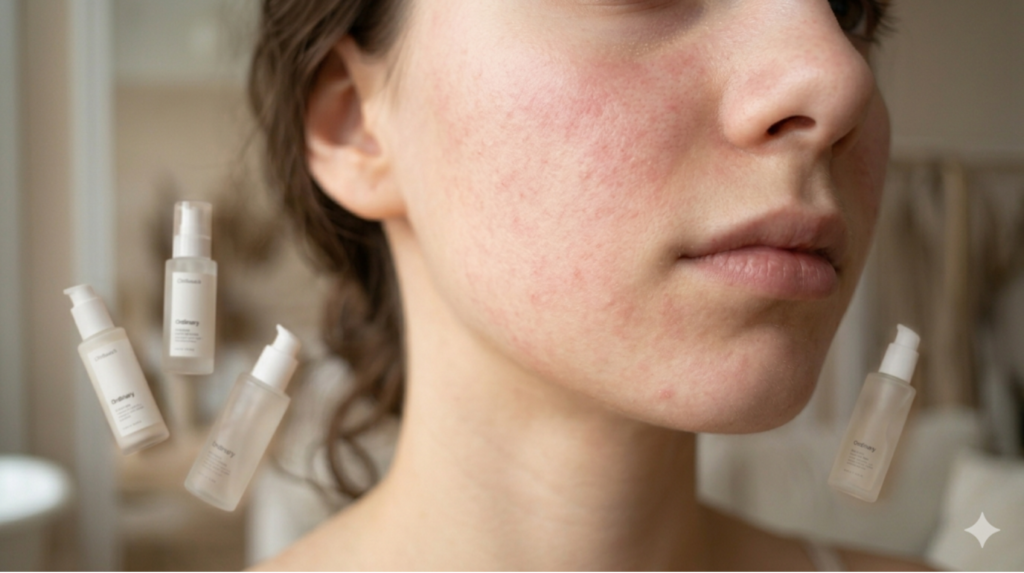
When skin problems persist for a long time, the natural reaction is to try harder.
People research more ingredients, follow detailed routines, and invest in products that promise faster or stronger results. The intention is understandable — if something keeps returning, it feels logical to address it more aggressively. But sometimes the opposite happens.
Instead of resolving the issue, the skin begins to feel more reactive. Products that once felt comfortable suddenly sting. Redness appears more easily. Breakouts become unpredictable. When this stage arrives, many people begin wondering why skin problems keep coming back despite using products designed to fix them. One reason for this is something that could be called skin burnout. The skin barrier is constantly adapting to everything applied to it, and when too many corrective approaches are layered together, the skin can become overstimulated rather than balanced.
This does not mean that ingredients like exfoliants, active treatments, or corrective products are harmful on their own. In many cases, they are extremely useful. The challenge arises when they are used repeatedly in response to recurring symptoms without understanding the pattern behind those symptoms.
When skin is continuously pushed to “fix” itself faster, it often responds by becoming more sensitive. This can create a cycle where the original concern is still present, but now irritation or reactivity is layered on top of it. In situations like this, skin problems keep coming back, while new sensitivities appear alongside them.
Several habits can unintentionally contribute to this kind of cycle:
- switching products frequently in search of quick improvement
- layering multiple active ingredients at once
- exfoliating too often when trying to smooth texture or fade marks
- reacting to every flare-up with stronger treatments
Over time, these responses can leave the skin confused about how to regulate itself. Instead of settling into balance, the skin stays in a constant state of correction. This is another reason why skin problems keep coming back even when routines appear thoughtful and intentional. The skin may not be struggling because of neglect, but because it has been asked to adapt to too many solutions at once.
Understanding this dynamic often brings relief. It shows that recurring issues are not always about using the wrong products, but sometimes about trying to solve the right problem in the wrong way. Once this becomes clear, people begin to see why skin problems keep coming back when the focus remains on fixing symptoms instead of observing the larger pattern influencing the skin.
And that realization opens the door to a calmer, more sustainable approach — one where the skin is supported rather than constantly corrected.
why one- piece advice rarely works long term

If you spend even a little time exploring skincare advice online, you’ll notice how often it comes in single solutions. One ingredient promises clearer skin. One routine claims to fix everything. One trick is described as the missing secret.
Sometimes these suggestions genuinely help. But they rarely explain why skin problems keep coming back for so many people who follow them carefully. The reason is simple: most advice focuses on one piece of the puzzle. Skin, however, responds to many influences at the same time. When only one element is adjusted, the rest of the system continues behaving exactly as before. This is why someone may add a popular ingredient and see improvement for a short period of time. The skin responds positively at first, which feels encouraging. But when the larger conditions influencing the skin remain unchanged, skin problems keep coming back, often in familiar ways.
Single-solution advice can unintentionally create unrealistic expectations. People assume that if the right ingredient or product is found, recurring concerns will disappear completely. When that doesn’t happen, it can feel confusing or discouraging.
In reality, skin rarely operates in isolation from the rest of the body or environment. Its behavior reflects a combination of factors working together over time. These can include things like:
- internal rhythms such as hormonal changes
- stress levels and nervous system activity
- digestion, hydration, and daily habits
- environmental influences like climate or seasonal shifts
- the overall balance of the skin barrier
When these influences remain unchanged, skin problems keep coming back, even when one part of the routine seems effective. This doesn’t mean individual ingredients or tips are useless. They simply represent only one part of a larger picture. Without understanding how those pieces connect, it becomes difficult to create lasting change.
Another reason why skin problems keep coming back is that many recommendations are designed for broad audiences rather than individual patterns. What works beautifully for one person may not address the underlying tendencies affecting someone else. Over time, this can lead to an endless cycle of trying new solutions without understanding why the previous ones stopped working. The skin improves, the advice seems promising, and then the concern gradually returns.
Recognizing this pattern helps shift expectations in a healthier direction. Instead of searching for a single answer, people begin to understand that skin responds best when its patterns are understood as a whole. And once that perspective becomes clear, it becomes much easier to see why skin problems keep coming back when advice is followed piece by piece rather than as part of a larger system.
how to start reading your skin differently (without fixing anything yet)

By this point, one thing becomes clear: recurring skin issues are rarely random. They tend to follow recognizable rhythms, signals, and responses that repeat over time. When people begin to notice this, the relationship with their skin shifts from frustration to curiosity.
Instead of reacting immediately to every change, it becomes possible to observe how the skin behaves before trying to correct it. This simple shift often reveals why skin problems keep coming back even when routines seem well-designed. Observation begins with paying attention to patterns rather than isolated moments. Many people start noticing that their skin behaves differently during specific phases of life or under certain conditions.
For example, skin changes often align with things like:
- periods of stress or emotional pressure
- changes in sleep or daily rhythm
- seasonal or environmental shifts
- hormonal fluctuations or lifestyle changes
When these influences repeat, the skin tends to respond in the same way each time. That repetition is often the clearest explanation for why skin problems keep coming back. Another helpful observation involves location. Many skin concerns appear consistently in the same areas of the face or body. This consistency is rarely accidental. Instead, it reflects how the skin expresses internal or environmental pressures through specific zones.
Recognizing these signals helps people move away from the idea that their skin is unpredictable. In reality, the skin is usually remarkably consistent in the way it communicates imbalance. This perspective also removes some of the pressure to fix everything immediately. When people stop reacting to every flare-up and instead focus on understanding what their skin is telling them, the situation begins to feel less chaotic.
That clarity often reveals why skin problems keep coming back despite careful routines. The skin has been responding logically to patterns that simply haven’t been noticed yet. At this stage, the goal is not to solve every issue at once. The goal is awareness — learning to notice timing, location, and repetition. Once those pieces become visible, it becomes easier to understand why skin problems keep coming back and what those signals might be pointing toward.
The moment people begin to read their skin in this way, frustration tends to soften. Instead of seeing recurring issues as failure, they begin to recognize them as information — clues that the skin has been offering all along. And that awareness is often the first step toward finally breaking the cycle of why skin problems keep coming back.
your skin is communicating- lISTEN!
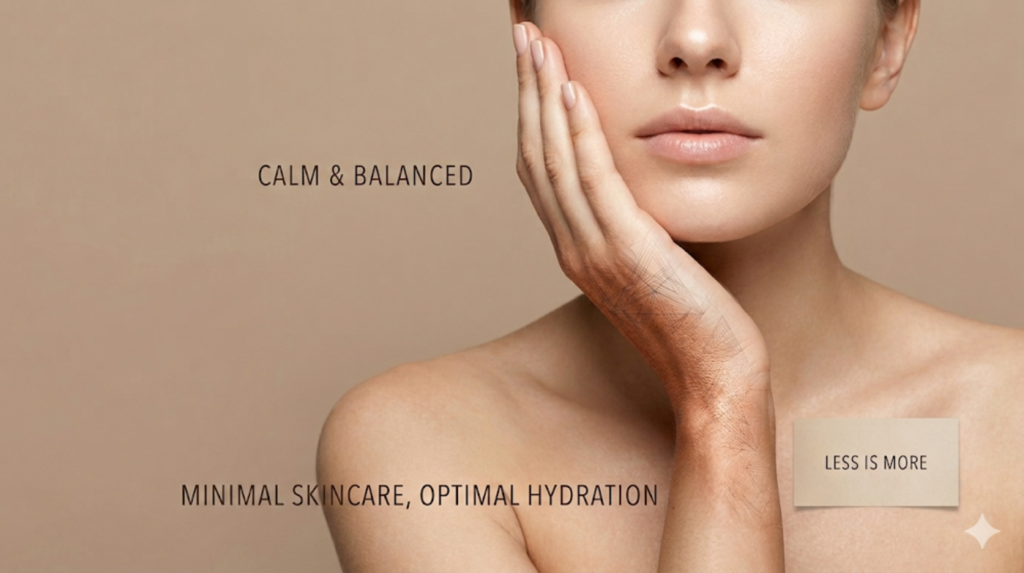
After exploring all these patterns, one realization begins to stand out: recurring skin issues are rarely signs that something is “wrong” with your skin.
More often, they are signals.
The skin is constantly responding to what is happening internally and externally — stress levels, hormones, environmental changes, sleep patterns, and daily habits. Because these influences repeat throughout life, the skin often responds in ways that repeat as well. That is one of the clearest explanations for why skin problems keep coming back.
When skin concerns are viewed only as problems to eliminate, it becomes easy to feel stuck in an endless cycle of fixing and refixing. A breakout appears, it’s treated. Pigmentation fades slightly, then returns. Sensitivity improves for a while before resurfacing again. In these moments, it can feel as though progress is temporary or unpredictable.
But when the skin is viewed as a communicating system rather than a malfunctioning one, the experience changes.
Recurring concerns begin to look less like random setbacks and more like patterns waiting to be understood. The same breakout zones, the same flare-up timing, the same triggers — all of these are forms of feedback. This perspective helps explain why skin problems keep coming back even when someone is careful with routines and ingredients. The skin may be responding correctly to care on the surface while still reflecting deeper influences that remain unchanged.
Understanding this doesn’t require abandoning skincare or starting over. It simply invites a different approach — one where observation and curiosity replace constant correction. Instead of asking, “What product will finally fix this?” the question slowly becomes, “What is my skin trying to tell me?”
That shift is subtle, but powerful.
When people begin listening to their skin rather than fighting it, they often discover that the answers they’ve been searching for were already present in the patterns they had been experiencing all along.
And once those patterns start making sense, the question of why skin problems keep coming back no longer feels frustrating — it begins to feel informative.
Take the Next Step: Start Healing from Within
Don’t stop here. Pair this with-
Our 5-Day Herbal Detox Guide for Clear Skin: It is now available—designed to help you:
- Flush out toxins that cause dullness, sun sensitivity, and breakouts
- Balance internal heat (pitta) that worsens sun damage
- Restore hydration and energy from within
- See visible improvements in skin clarity, tone, and bounce in just 5 days
It’s packed with:
- 5 carefully formulated detox drinks using herbs like fennel, turmeric, rose, and aloe
- A daily ritual plan for glowy, even-toned skin
- Bonus: lifestyle tips to reduce pigmentation, calm inflammation, and prevent future sun damage
Grab it now for just $19.99 and start seeing results in less than a week.
[Get the Detox Guide Now →] (insert your Beacons link)